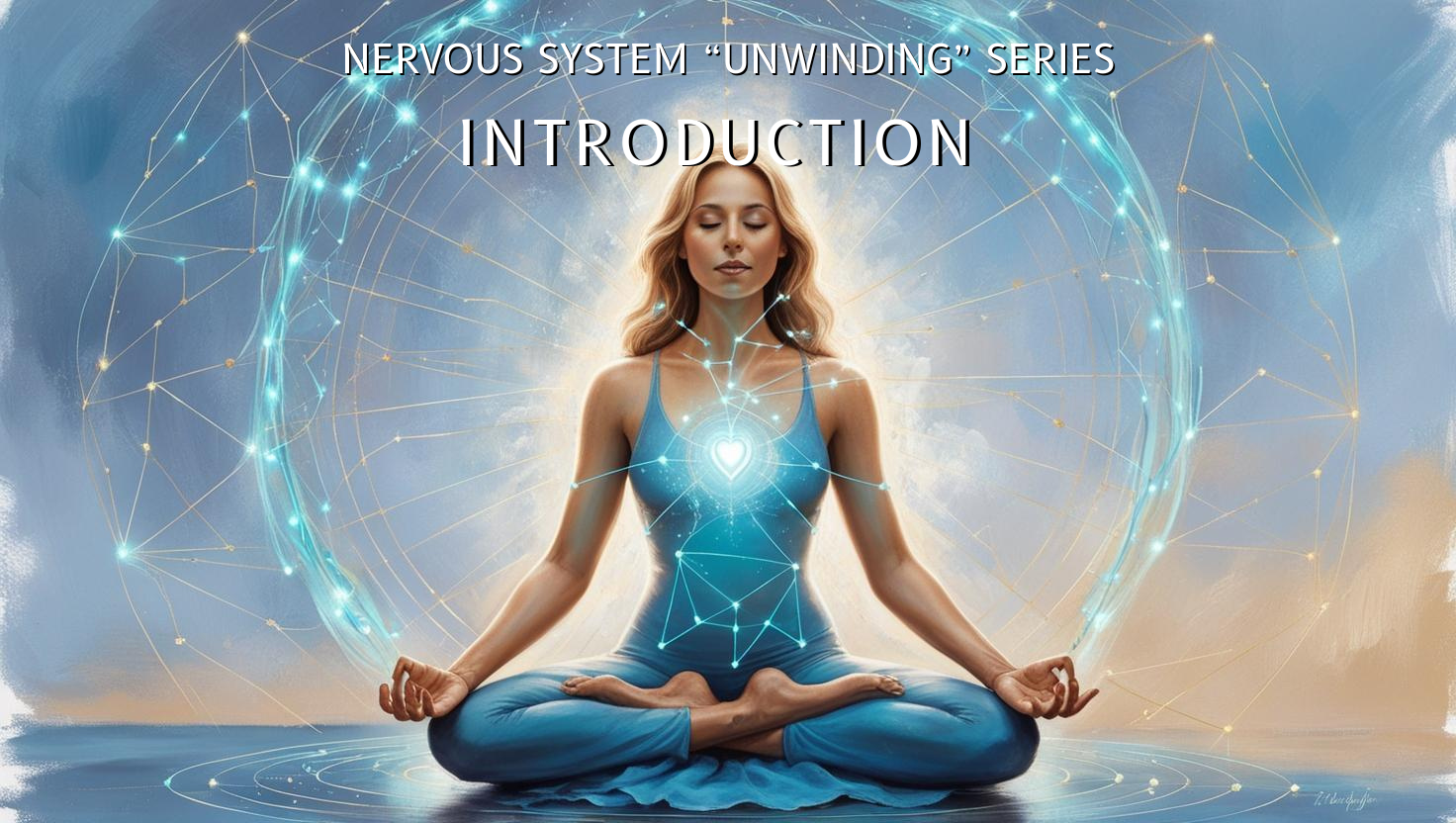
What Nervous System “Unwinding” Might Look Like Across Body Systems
Introduction – My Crazy AI Experiment
When I first started experiencing an overwhelming amount of different types of symptoms back in 2020, I couldn’t possibly explain to you what was going on or what was happening in my body. It was pretty scary, and you always kind of default to “Oh my god, I’m going to die.” The physical sensations, the confusion, the fatigue, and the pain all seemed to come from out of nowhere, and it felt like my body was betraying me. In addition to that, any doctor I went to where I started telling all of these symptoms, they would get so overwhelmed and confused by the things that I was talking about. They didn’t know how to process what I saying.
But the truth is, it’s much more complex than that. What I now understand is that these overlapping symptoms weren’t just random or “all in my head”. They were my body’s response to nervous system dysregulation and my body trying to find a new balance.
I’ve been stuck in a chronic state of freeze or overload for so long, and when it started to “unfreeze,” it wasn’t smooth and didn’t feel like healing. It was chaotic, painful and overwhelming. I couldn’t pinpoint one cause; it was like everything was interconnected and out of whack. I had muscle tension, itchy skin, digestion issues, and so much more that I could name, and when I got dysregulated, I felt it all.
As part of my journey to better understand the complexities of nervous system dysregulation and its impact on various body systems, I decided to run an experiment. I started asking ChatGPT questions about each system’s response when affected by a dysregulated nervous system. The answers I received, which were carefully organized into 10 blog posts in total. Some of the information that ChatGPT provided did resonate with me, which is why I am sharing it more publicly in hopes to give people some clues or insights to their current health struggles.
I understand that this is a lot of information to take in, and some of it may feel repetitive at times. Later in this post, I offer suggestions for systems that can be combined or explored together if you’re looking for a more connected or simplified way to engage with this material.
Why the Nervous System Can Become Dysregulated
The nervous system is designed to keep us alive. It constantly scans our environment for signs of safety or threat and adjusts our internal state accordingly, speeding things up when we need to fight or flee, slowing things down when we can rest and recover. This system is incredibly adaptive, but it’s also vulnerable to overload.
When we face chronic stress, trauma, illness, or ongoing emotional strain, the nervous system can get stuck in survival mode. Instead of shifting fluidly between activation and rest, it may remain in a heightened state of vigilance or drop into shutdown. This is what we call dysregulation. It doesn’t mean something is “broken”, it means the system has adapted to protect you, often at the cost of long-term balance.
Dysregulation can show up in the body as tension, fatigue, digestive issues, chronic pain, emotional numbness, or over reactivity. Over time, these patterns can affect multiple systems in the body, because the nervous system touches everything, muscles, hormones, immunity, breath, heartbeat, digestion, and more.
The good news is the nervous system can also re-learn regulation. Through slow, gentle unwinding whether through rest, bodywork, breath, connection, or awareness, the body can begin to shift out of survival mode. This process isn’t always linear or comfortable, but it’s often a sign that healing is happening on a deep, foundational level.
Defining “Unwinding”
In this series, “unwinding” refers to the body’s process of releasing accumulated tension; physically, emotionally, and neurologically. This concept is deeply rooted in somatic approaches to trauma healing, which emphasize the body’s role in processing and recovering from stress and trauma.
Dr. Peter A. Levine, in his book Healing Trauma: Restoring the Wisdom of Your Body, articulates this process:
“I have come to the conclusion that human beings are born with an innate capacity to triumph over trauma. I believe not only that trauma is curable, but that the healing process can be a catalyst for profound awakening—a portal opening to emotional and genuine spiritual transformation.”
—Peter A. Levine, Healing Trauma
When creating this series, I collaborated with ChatGPT to articulate what unwinding might feel like across different bodily systems, particularly from the perspective of someone navigating nervous system dysregulation. The insights shared here are informed by both personal experiences and established somatic theories. While AI assisted in structuring these reflections, the core of this project is grounded in lived experience and a commitment to exploring my journey of healing.
A Note About System Combinations
Some systems in the body are so closely connected that it made sense to explore them together. They often unwind at the same time or affect one another in a deeply interwoven way. Below are the combinations I chose to make for this series, along with a brief explanation of why.
Sensory Orientation Combination
(Ocular + Vestibular + Auditory Systems)
These three systems help us see, hear, and orient ourselves in space. They are tightly linked through the inner ear, brainstem, and cranial nerves, and often become dysregulated together. When out of balance, it’s common to experience dizziness, light or sound sensitivity, or trouble focusing all of which can feel like one big sensory storm. Because these symptoms so often overlap, I decided to group them into one post.
Lymphatic + Immune System
The lymphatic and immune systems are functionally connected—the lymphatic system transports immune cells and helps drain waste, while the immune system responds to injury, infection, or stress. During nervous system regulation, both can activate at once, leading to sensations like swelling, fatigue, low-grade fevers, or skin reactions. It felt natural to explore them as one.
Fascial + Craniosacral System
Fascia is a continuous connective tissue web that surrounds muscles, bones, and even the membranes of the craniosacral system. These two systems often unwind together, especially during deep rest or bodywork. Subtle shifts in the cranial bones or spine can ripple through the fascial matrix, creating spontaneous movement, emotional release, or strange internal sensations. Because of their deep structural and energetic relationship, I chose to combine them.
Cardiopulmonary System
(Cardiovascular + Respiratory Systems)
The heart and lungs are co-regulated by the autonomic nervous system and respond together to stress, emotion, and trauma. Breath affects heart rhythm, and heart rate shifts can influence breath patterns. Many healing practices target both at once, like breathwork, vagal toning, or HRV training. It felt more honest and effective to explore them as a single, unified system.
Musculoskeletal System
(Muscles + Skeleton)
The muscular and skeletal systems work in constant coordination, muscles create movement, bones provide structure. A release in one area, like a tight jaw or hips, often includes both. These systems are so physically and functionally integrated that it felt more useful to explore them in one post.
Digestive System + Enteric Nervous System
The enteric nervous system, sometimes called the “second brain”, is embedded in the gut wall and communicates constantly with both the digestive system and the brain. It helps control digestion, but also processes emotion, stress, and trauma. Because digestive unwinding and enteric shifts often happen together, I decided to explore them as one combined experience.
Systems that I Left Separate
Endocrine System + Reproductive System (I Left Separate for a reason but very closely related)
The endocrine and reproductive systems are closely connected through hormones. The endocrine system produces the hormones that regulate reproductive functions like menstruation, libido, fertility, and menopause. When the nervous system is dysregulated, these hormones can become imbalanced. Symptoms like mood swings, cycle irregularities, fatigue, or changes in sexual function. Because the reproductive system is so deeply influenced by the hormonal messages of the endocrine system, the two often unwind together. It can make sense to explore them as one combined system, especially when the physical and emotional symptoms are hard to separate.
Please Note: The endocrine system controls a wide range of hormonal functions beyond reproduction, including metabolism, stress response, thyroid activity, and blood sugar regulation. If someone is experiencing symptoms related to adrenal fatigue, thyroid imbalance, or insulin resistance, these may not involve the reproductive system at all. In those cases, it’s more accurate and helpful to explore the endocrine system separately.
Urinary System
Helps the body get rid of waste and extra fluid. Involves pelvic floor tension.
Integumentary System (Skin)
Protects the body and helps you feel things like touch or temperature.
Being Mindful
Disclaimer: Please know that within each part or blog entry in this series, I include disclaimers. You have to keep in mind that ChatGTP does things like hallucinate. AI hallucinations are when an AI gives information that sounds accurate but is actually made up or incorrect.
These posts were co‑created with AI as a reflective and educational tool. Although every effort was made to ensure clarity, AI‑generated text may contain occasional inaccuracies or “hallucinations” (fabricated or unverified details presented as fact). Please read with care and critical thinking. Some passages use metaphor and symbolic language to invite personal insight rather than make definitive claims. This material isn’t a substitute for professional medical advice. Every body, trauma history, and healing journey is unique. Always consult a qualified healthcare provider before starting or changing any wellness practice. Trust your own discernment and lived experience and engage only in ways that feel safe and meaningful for you.
Below are links to all 10 system-specific blog posts, organized by systems that could be closely connected or explored together
Sensory Orientation System Unwinding (For a Person with a Dysregulated Nervous System)
Lymphatic + Immune System Unwinding (For a Person with a Dysregulated Nervous System)
Fascial + Craniosacral System Unwinding (For a Person with a Dysregulated Nervous System)
Cardiopulmonary System Unwinding (For a Person with a Dysregulated Nervous System)
Musculoskeletal System Unwinding (For a Person with a Dysregulated Nervous System)
Digestive + Enteric System Unwinding (For a Person with a Dysregulated Nervous System)
Endocrine System Unwinding (For a Person With a Dysregulated Nervous System)
Reproductive System Unwinding: Understanding Symptoms – Astra speaks
Integumentary System Unwinding (For a Person with a Dysregulated Nervous System)
Urinary Tract System Unwinding (For a Person With a Dysregulated Nervous System)




Leave a Reply